

WASHINGTON, D.C.: Washington has delivered a blunt message to U.S. oil companies weighing a return to Venezuela: any chance of recovering billions of dollars lost to past nationalisations will require them to move quickly and commit large amounts of their own capital to rebuilding the country's oil industry, according to two people familiar with the discussions.
White House and State Department officials have told U.S. oil executives in recent weeks that significant upfront investment would be a precondition for compensation tied to assets expropriated by Venezuela roughly two decades ago, the sources said.
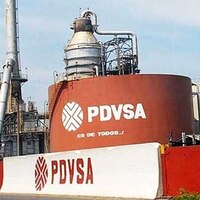
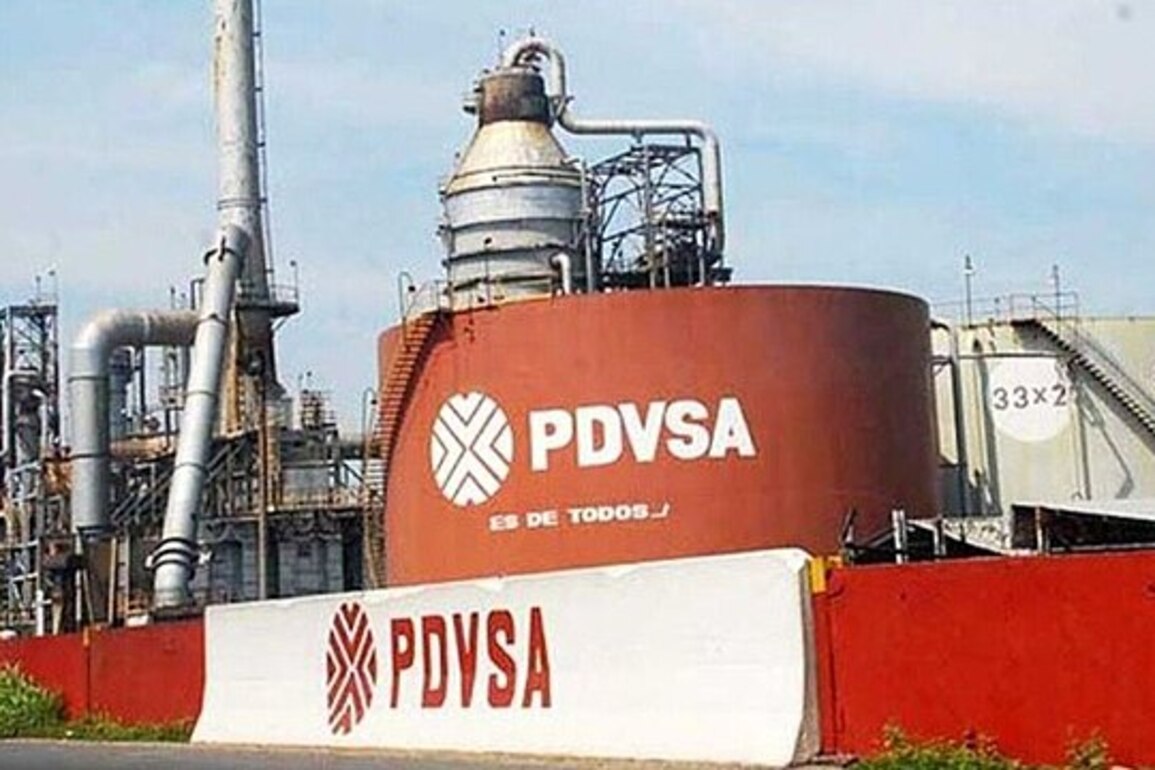
In the 2000s, Venezuela seized the assets of several international oil companies that refused to grant greater operational control to state-run oil firm PDVSA, as demanded by then-president Hugo Chavez. Some companies negotiated to stay, while others exited and sought arbitration.
Chevron was among those that remained in Venezuela through joint ventures with PDVSA. Rivals Exxon Mobil and ConocoPhillips left the country and later filed international arbitration claims.
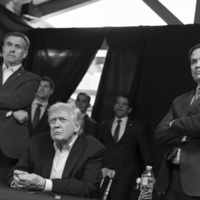
President Donald Trump said that American companies were prepared to return to Venezuela and invest to restart its struggling oil sector, speaking just hours after Venezuelan President Nicolás Maduro was captured and removed by U.S. forces.
According to the sources, administration officials have made clear that, in a post-Maduro scenario, U.S. oil companies would need to fund the rebuilding of Venezuela's oil industry themselves before any repayment of debts stemming from expropriations could be considered.
That condition could prove especially costly for companies such as ConocoPhillips. The firm has long sought to recover about US$12 billion from the nationalisation of its Venezuelan assets under Chavez. Exxon Mobil has also pursued arbitration, seeking around $1.65 billion.
Trump began publicly referencing the expropriations last month when he ordered a blockade of sanctioned oil tankers.
Conditions for Return
Whether U.S. oil companies ultimately decide to re-enter Venezuela will depend on how executives, boards, and shareholders assess the risks of renewed investment in the country, the sources said.
"ConocoPhillips is monitoring developments in Venezuela and their potential implications for global energy supply and stability. It would be premature to speculate on any future business activities or investments," a company spokesperson said in emailed comments to Reuters on January 3. The company reiterated the statement on January 4 when asked about its discussions with the administration.
Exxon Mobil did not immediately respond to questions.
Politico first reported on the recent discussions between U.S. officials and oil executives.
Even if companies agree to return, analysts say it could take years before Venezuela sees a meaningful increase in oil output. The country holds some of the world's largest estimated oil reserves, but production has collapsed over the past decades because of mismanagement, chronic underinvestment, and U.S. sanctions.
Firms considering a comeback would also face a host of challenges, including uncertainty over contract terms, security risks, dilapidated infrastructure, questions about the legality of the U.S. operation that removed Maduro, and the prospect of prolonged political instability, analysts have told Reuters.
Venezuela, a founding member of OPEC, once produced as much as 3.5 million barrels per day in the 1970s, accounting for more than seven percent of global oil output at the time. Production slipped below two million bpd during the 2010s and averaged about 1.1 million bpd last year, or roughly one percent of global production.