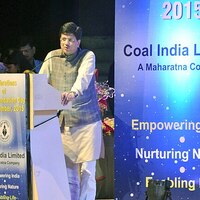


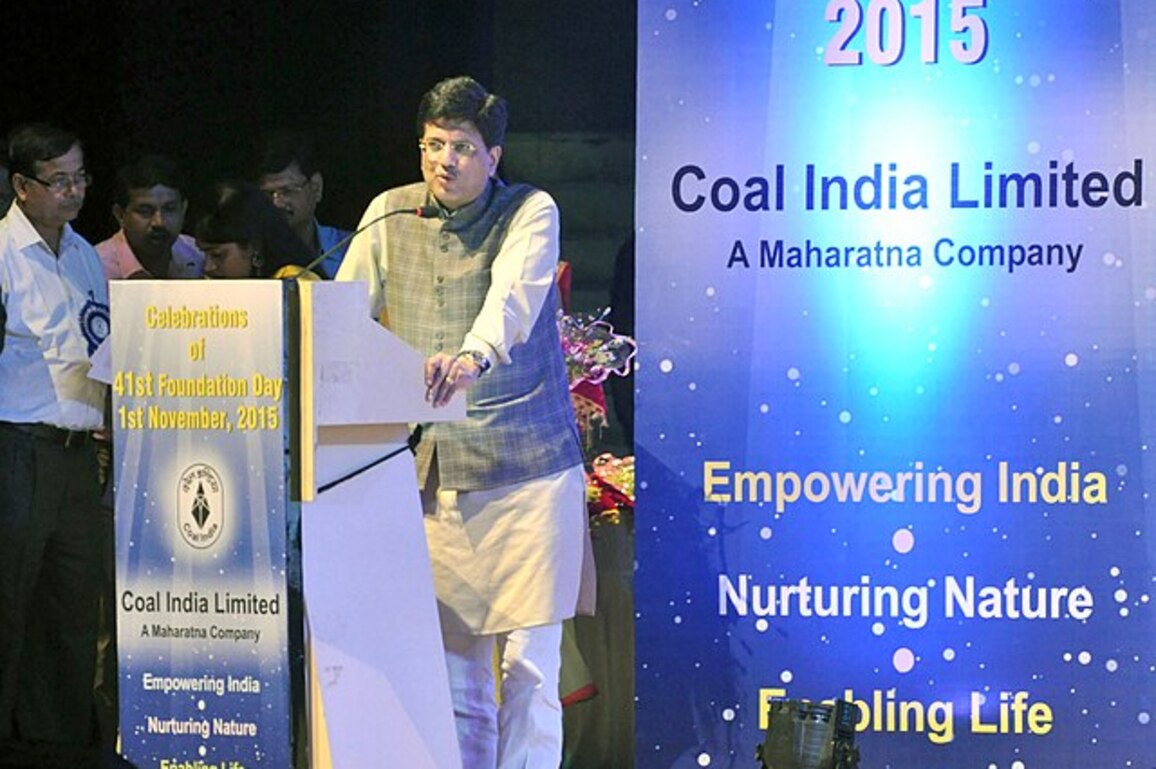
NEW DELHI, India: India's largest coal producer is widening its sales net beyond domestic buyers as slowing power-sector demand weighs on volumes and prices at home.
State-run miner Coal India said it has opened its e-auctions to buyers from Bangladesh, Nepal, and Bhutan, allowing firms from the neighbouring countries to directly participate for the first time.
Coal India shares extended gains after the announcement, trading more than six percent higher at Rs. 426, their highest level in over a year. The stock had already been up about 4.5 percent earlier in the session.
The move comes amid weakening domestic demand for coal-fired power. India's coal-based power generation has declined in seven of the past 12 months as renewable energy capacity has expanded. Reflecting that shift, Coal India's supplies to consumers fell 2.2 percent year-on-year in the April to December period.
In December, New Delhi approved the export of surplus coal from power plants, opening the door for greater outbound sales. India's neighbouring countries have so far sourced Indian coal primarily through intermediaries rather than directly from producers.
In the year through November, India exported about 1.54 million tonnes of coal, mainly to Bangladesh, Nepal, and Bhutan, according to data from coal trading firm I-Energy Natural Resources.
"Tepid domestic coal demand this year has hit coal e-auction premiums for Coal India, so this move to level the playing field for foreign buyers will also help the company boost margins and reverse the trend of posting lower offtake volumes," said Rupesh Sankhe, a research analyst with Elara Securities.
However, industry participants cautioned that the policy shift may not significantly increase overall export volumes. Vasudev Pamnani, director at I-Energy Natural Resources, said buyers in Bangladesh, Nepal, and Bhutan were already purchasing Coal India supply through traders.
Participating directly in Coal India's auctions would essentially replace that existing demand rather than create new volumes, he said.
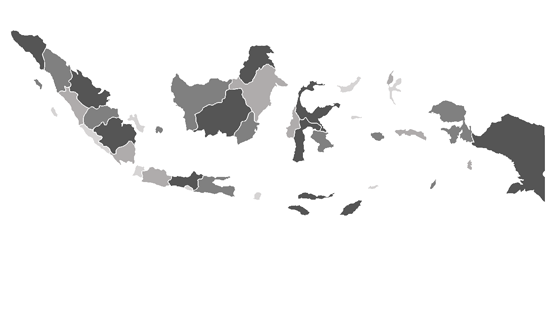
Cost competitiveness remains another challenge. Inland logistics and port expenses mean Indian coal struggles to compete with Indonesian coal, which supplies Bangladesh at lower transportation costs and with more efficient infrastructure, Pamnani added.