

Gas shortages, poisoned school meals and rising distrust expose the growing gap between power and people in Indonesia, writesKurniawan Arif Maspul.
INDONESIA'S DEMOCRACY carries unique moral weight in the region. It is not merely a system of elections but a promiserootedin Pancasila belief, humanity, unity, deliberation, and social justice a compact meant to hold together more than 270 million lives spread across thousands of islands.
That promise now feels brittle. In the first year of President Prabowo Subiantos administration, the distance between democratic ideal and lived reality has become painfully visible, not in abstract theory but in queues for cooking gas, poisoned school lunches, flooded villages, and a rising sense that power isdriftingaway from the people it claims to serve.
Public trust is not eroding quietly. It is fraying in full view. Surveys cited by Indonesian research institutes indicate that roughly72 per centof respondents rate the governments performance as poor or very poor. That figure alone would unsettle any democracy; in Southeast Asias largest, it carries regional consequences. Indonesia is not just another state grappling with reform fatigue. It is the Association of Southeast Asian Nations ASEANs anchor, a G20 member, a bridge between the Global South and advanced economies. When confidence collapses here, tremors are felt far beyond Jakarta.
Indonesia's new capital city project is an ongoing disasterThe ongoing construction of Indonesia's new capital city continues to raise major human rights and financial concerns, Duncan Graham writes.
Much of the anger has been triggered by decisions that cut directly into daily life. The sudden ban on subsidised 3kg LPG cylinders for small traders later reversedcausedshortages, panic buying, and at least one reported death while queuing. Energy policy missteps did not stop there. Controversial nickel mining permits on the ecologically sacred Raja Ampat islandssparkedoutrage until presidential intervention forced a retreat. Think-tank scorecards gave the energy minister thelowestperformance rating in the cabinets first-year review, an indictment not just of competence but of judgment.
Economic anxiety has collided with moral outrage. Indonesias Corruption Perceptions Index scoresitsat 37 out of 100, signalling entrenched graft and weak enforcement. Around three-quarters of citizens surveyed believe law enforcement has deteriorated; nearly half see anti-corruption efforts as ineffective. These numbers matter because corruption in Indonesia is not an abstract sin. It shows up in regressive taxes, inflated parliamentary perks, and a widening gap between political elites and ordinary households already squeezed by food and fuel prices.
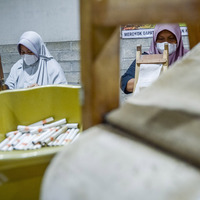
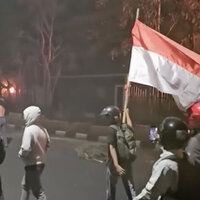
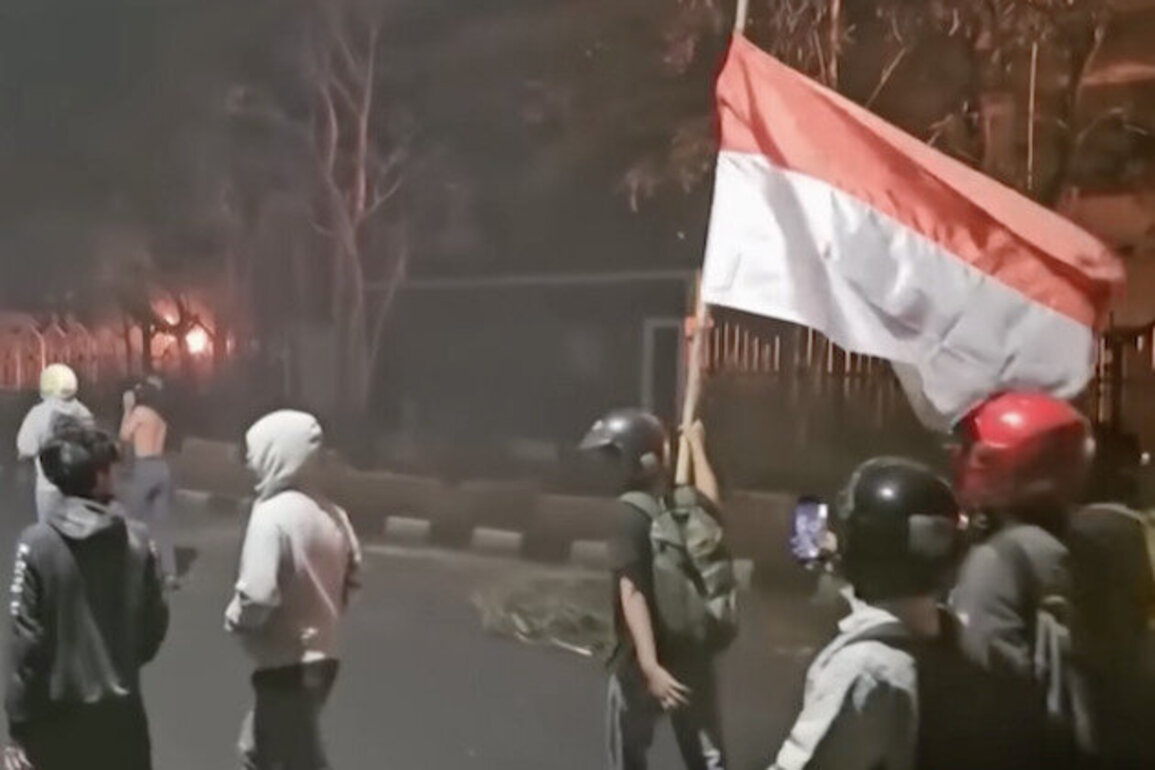
The symbolism has been just as damaging as the substance. The flagship Free Meal Programme for schoolchildren and pregnant women, designed to signal compassion and redistribution, instead became a national embarrassment afterthousandsreported food poisoning. Student protesters carried banners equating 'free meals' with poison during demonstrations marking Prabowos first year in office. In flood-stricken regions, ministers posing with sacks of rice drew scorn rather than gratitude, reinforcing a perception of choreographed empathy rather than genuine solidarity. Political communication specialistsdescribedthese moments as excessive and contrived, eroding rather than building trust.
This discontent strikes at the heart ofPancasila. The ideologys fourth principle: democracy guided by wisdom through deliberation demands consultation, humility, and consensus. It's fifth: social justice for all Indonesians demands that policy burdens fall fairly. Constitutional scholars describe Pancasila as Indonesias grundnorm, the foundation from which all legal and political authority flows. When governance appears extractive, privileging elites while ordinary citizens absorb the shocks, legitimacy drains away.
The pattern is not unique to Indonesia. Across Asia, democracies from the Philippines to Thailand have wrestled with the same dilemma: centralising power for efficiency while hollowing out participation. What makes Indonesia different is its history of reform. The fall of Suhartos New Ordershowedthat renewal is possible, even after decades of authoritarianism. That memory now acts as both warning and hope.
International observers are watching closely. Analystswarnedthat Prabowos strongman instincts and military pedigree risk reviving authoritarian reflexes. Human Rights Watch has criticised the branding of street protests as threats to national security, calling such rhetoric irresponsible. For foreign investors and diplomatic partners, the rule of law and transparency are not moral luxuries; they are prerequisites for confidence. Indonesias ambitions from BRICS engagement to climate leadership rest on democratic credibility as much as economic scale.
Comparisons sharpen the picture. Where Indonesia once stood out as a pluralist success story in the Muslim world, stagnation now risks placing it alongside backsliding democracies; therefore, rising inequality and weakening institutions coulddelegitimisedemocratic governance altogether. Parliamentary salary increases over the past decade, reportedly approaching 100 per cent, contrast starkly with stagnant real wages for workers. This is the anatomy of what political economists call extractive institutions, and history shows where that road leads.
Timor-Leste joins ASEAN: A small-state voice amidst greatpower competitionThe combination of moral authority and strategic location could make Timor-Leste an unexpected mediator in regional disputes.
Yet the remedy is written into Indonesias own philosophy. Gotong royong (mutual cooperation) is not nostalgia; it is a guiding policy. Deliberative decision-making, meaningful consultation, and genuine power-sharing can still rebuild trust. Anti-corruption bodies such as the KPK need political backing rather than constraint. Progressive taxation and targeted social protection would ease the cost-of-living pressure fuelling protests. Empowering local governments and civil society would bring democracy closer to the ground, where it belongs.
For Australia and the wider region, this moment matters. A confident, democratic Indonesia stabilises Southeast Asia. A resentful, inward-looking one introduces uncertainty. Canberra has long spoken of Indonesia as a strategic partner; partnership now means paying attention to the quality of Indonesian democracy, not just its strategic alignment.
Indonesias social contract is not beyond repair, but it is undeniably strained. The streets have already delivered their verdict. Whether the state listens and responds in the language of justice, humility, and inclusion will determine whether Pancasila remains a living guide or fades into ceremonial rhetoric. The choice is not between strength and democracy. Indonesias history shows that enduring strength has always flowed from the consent and trust of its people.
Kurniawan Arif Maspulis a researcher and interdisciplinary writer focusing on Islamic diplomacy and Southeast Asian political thought.