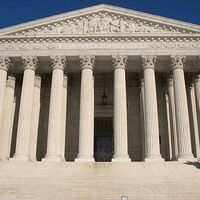


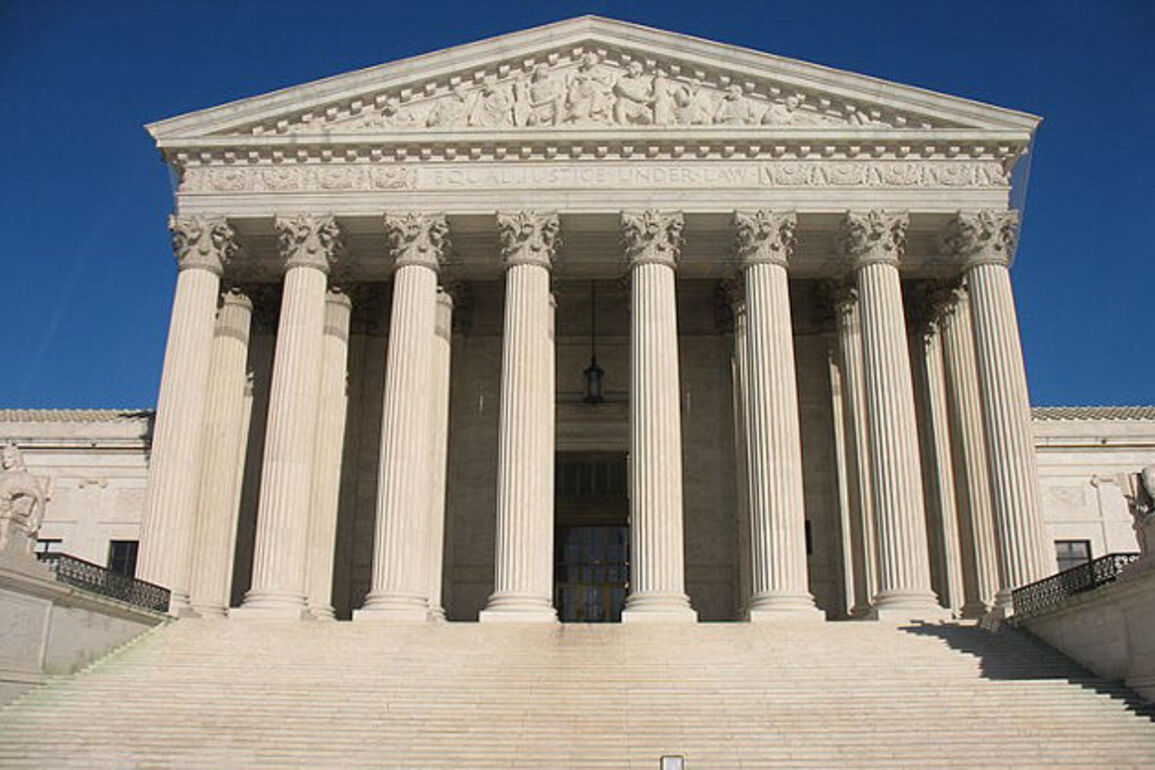
WASHINGTON, D.C.: President Donald Trump's decision on global tariffs received an unexpected breather when the U.S. Supreme Court postponed its rulings on several major cases to January 14.
The court indicated on its website on January 9 that it could release decisions in argued cases when the justices take the bench during a scheduled sitting on January 14.
The ruling on tariffs would be a significant test of presidential powers and also decide whether the court is willing to check some of Trump's far-reaching assertions of authority since he returned to office in January 2025. The outcome will also impact the global economy.
On November 5, both conservative and liberal Supreme Court justices appeared to question whether the tariffs were legal. Trump imposed the tariffs using a 1977 law meant for national emergencies. His administration is appealing lower-court rulings that found he exceeded his authority.
Trump has said the tariffs made the United States financially stronger. In a January 2 social media post, he warned that a Supreme Court ruling against the tariffs would be a "terrible blow" to the country.
Trump used the International Emergency Economic Powers Act to impose "reciprocal" tariffs on imports from nearly all U.S. trading partners, saying large trade deficits were a national emergency. He also used the same law to impose tariffs on China, Canada, and Mexico, citing fentanyl and illegal drug trafficking as emergencies.
This week, Trump approved a new bill called the ‘Sanctioning Russia Act of 2025', imposing a 500 percent tariff on any country that buys crude oil from Russia. This would target mainly China, India, and Brazil.
The lawsuits before the Supreme Court were filed by businesses hurt by the tariffs and by 12 U.S. states, most of them led by Democrats.
"They can be prosecuted either in state or federal court, by either a U.S. attorney's office or a district attorney's office."
The court, which has a 6–3 conservative majority, is also considering other major cases. One challenge to the Voting Rights Act of 1965 was that it was passed to stop racial discrimination in voting.
Another case challenges a Colorado law that bans therapists from providing "conversion therapy" to LGBT minors, with the challenge based on free speech grounds.