


People from more than 30 countries are taking part in the 2025 edition of the Dieppe International Kite Festival, which opened this week on the Normandy coast.
Since its creationin 1981, the event, which takes place every second year, has brought together kite enthusiasts from around the world. This year they have come from as far afield as Russia, Israel, Malaysia, Indonesia and Canada.
"In todays geopolitical climate, thats important," Grard Clment, artistic director of the festival, told RFI."We dont want to get caught in conflicts that arent ours. Thats why we always say [there are] no borders in the sky. The wind unites us."
For Clment, another thing that makesDieppes festivalspecial is its enduring commitment to artistic creation.
"Weve stayed true to the festivals original spirit. While kites have become more commercial and visually spectacular elsewhere, we continue to focus on creativity," he said.
This year, only artists who design and build their own kites were invited to participate.
'Talibanned': From kite-running to breakdancing, Afghan pastimes again under threat
Archaeological discoveries
Kite flying has a long and complex history, with its origins most commonly traced back to China more than 2,000 years ago.
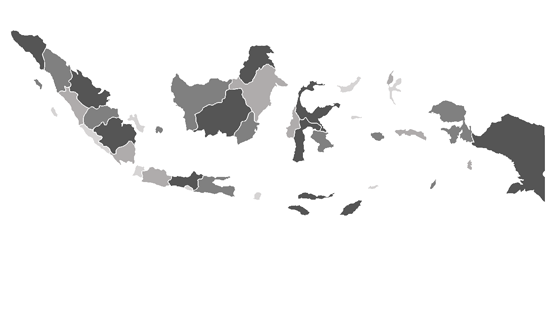
But recentarchaeological discoveriesinIndonesiasuggest the practice may be even older and more widespread than previously thought.
"Its possible the Chinese didnt invent the kite," Clment says cautiously. "Theres evidence of kite-like images in cave paintings on the Indonesian island of Sulawesi. Maybe during their voyages, the Chinese discovered and developed the tradition further."
In Asia the tradition of using natural materials for kite construction such as paper and bamboo continues, while in the West there is a focus on modern, synthetic materials such as fibreglass and carbon fibre or spinnaker cloth two approaches Clment says co-exist in Dieppe.
Gaza children fly kites to escape horrors of war
'A rich tradition'
Among the artists featured at this year's festival isKadek Armika, an Indonesian kite flyer from Bali whose work bridges tradition and modernity.
"Kadeks creations are deeply rooted in Balinese culture. But as an architect who has travelled widely, he also brings a modern, even Western influence into his work. He manages to preserve the Balinese spirit and craftsmanship while incorporating contemporary design," said Clment.
While kite designs vary around the world, some shapes are commonly seen across various cultures.
"In North Africa and around the Mediterranean, there is a rich tradition of kite flying," Clment said.
"Youll find hexagonal kites with long tails in Spain, called 'cometas'. The same shape appears in Greece, Lebanon, across the whole Mediterranean basin, even in Egypt."
Clment says that no matter where the participants have come from, the festival provides a unique opportunity.
"For one week, we step away from the news, the conflicts and the noise."
Originally published on RFI