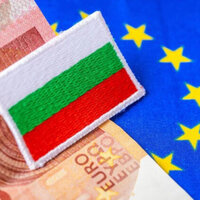


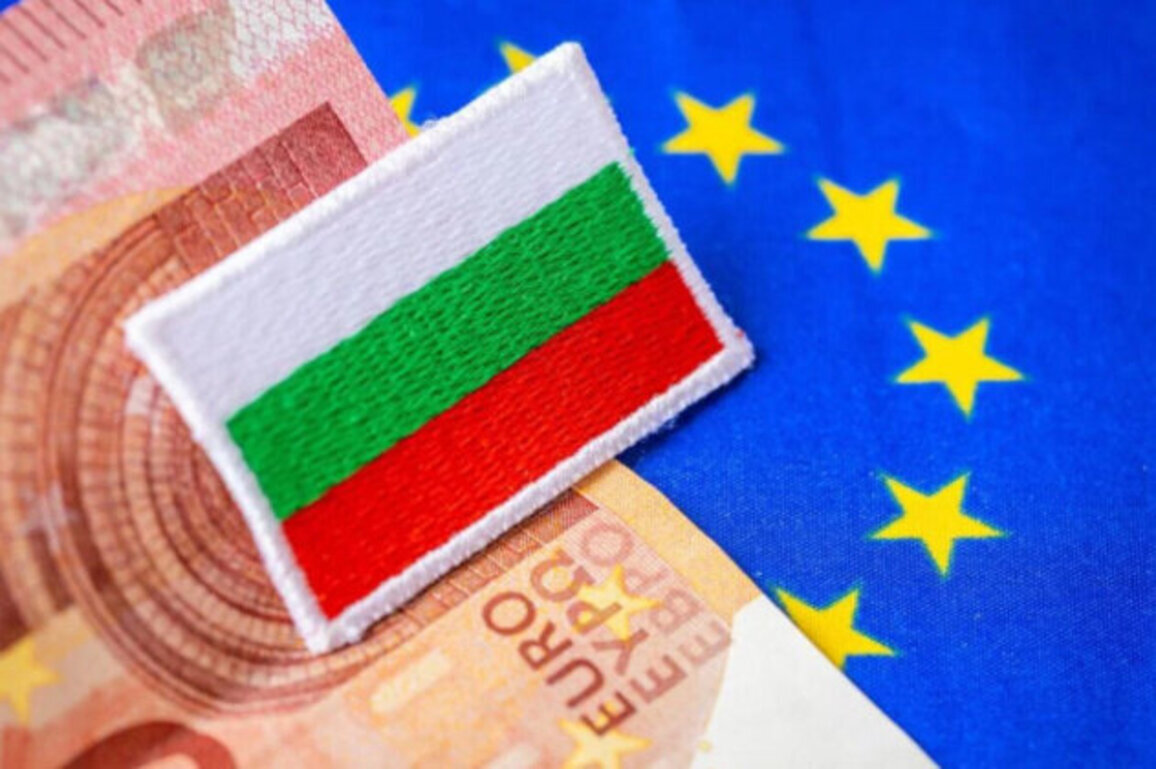
Economist Rumen Galabinov believes Bulgaria has entered a new economic phase after joining the eurozone and is already positioning itself among the bloc's fastest-growing economies. Speaking about the country's outlook following the adoption of the euro on January 1, he described the transition as a major strategic achievement and argued that Bulgaria is beginning to play a more visible role inside the European economy.
?Before discussing the macroeconomic situation, we must first acknowledge that Bulgaria has successfully joined the eurozone,? Galabinov said, stressing that the country had completed a process many in the region still struggle to achieve.
He acknowledged that some consequences of adopting the common currency had been anticipated from the beginning. Among them were adjustments within the banking sector and public concerns about inflation linked to price rounding after the conversion to the euro. According to him, however, an entirely different external factor created additional uncertainty.
?What surprised us was the war in Iran,? he noted, referring to broader geopolitical tensions affecting markets and economic expectations across Europe.
Galabinov said the coming months will depend heavily on the policies of the European Central Bank and the Bulgarian National Bank, especially in relation to inflation control and lending conditions. After a period dominated by lower interest rates, he believes the ECB may soon reverse course and begin tightening monetary policy again.
?It is very important to monitor the behavior of the European Central Bank in the next meetings,? he said, warning that any increase in key interest rates would inevitably influence Bulgaria's credit market and borrowing costs.
The economist also pointed to what he described as a significant ?brightening? of the Bulgarian economy during the second half of last year. According to him, improved transparency and stronger economic activity contributed to record banking revenues and rapid lending growth.
Despite debates surrounding public finances, Galabinov rejected claims that Bulgaria faces a serious fiscal threat. ?The budget situation is not catastrophic at all,? he argued.
In his view, eurozone membership opens entirely new financial possibilities for the country, particularly regarding the management of state reserves and public debt. Since Bulgaria no longer needs to maintain large reserves to defend the lev's fixed exchange rate against the euro, part of those resources could potentially be redirected more efficiently.
?The need for this reserve to support the exchange rate of the lev against the euro has disappeared. Part of it can be used to optimize the new debt,? he explained.
Galabinov also highlighted the role of stable budget revenues and expected financing under the Recovery and Resilience Plan, which he believes could continue supporting economic expansion in the coming years.
On tax policy, he urged caution and warned against sudden changes in 2026. ?There should be no abrupt changes in taxes for 2026,? he said, while adding that broader discussions about reforming the tax system may eventually become unavoidable.
He voiced support for the idea of a 15 percent general income tax combined with a non-taxable minimum threshold and suggested that debates could also emerge over reducing VAT rates for food and medicines, as well as adjustments to health and pension contributions.
Still, Galabinov insisted the broader economic picture remains positive. He cited forecasts placing Bulgaria's expected growth between 2.6 and 2.9 percent, far above the pace projected for some of Europe's largest economies.
?Germany is around 1 percent,? he pointed out, arguing that Bulgaria is increasingly outperforming traditional economic heavyweights in relative terms.
He went even further, describing Bulgaria as a small but increasingly important driver of eurozone growth.
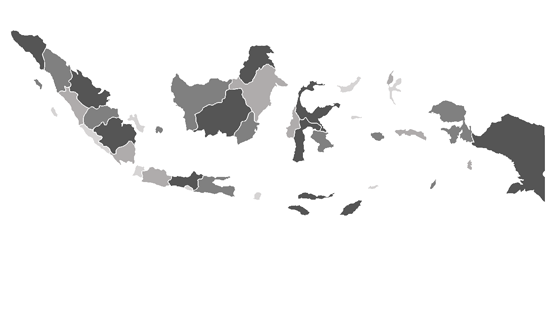
?We are already measuring ourselves against economies like Indonesia and India. Bulgaria is an engine for economic growth, albeit a small one, for the entire eurozone,? Galabinov said.
At the end of his remarks, he defended the country's adoption of the euro as a historic accomplishment and contrasted Bulgaria's progress with the difficulties faced by neighboring states that remain outside the eurozone framework.
?We achieved something that is unthinkable for countries like Hungary or Romania,? he concluded.
Source:BGNES