

Luis Gouveia Jr
Download PDF
Jul 8 2025
0
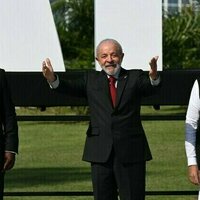
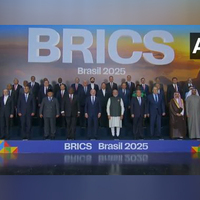
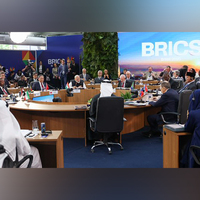
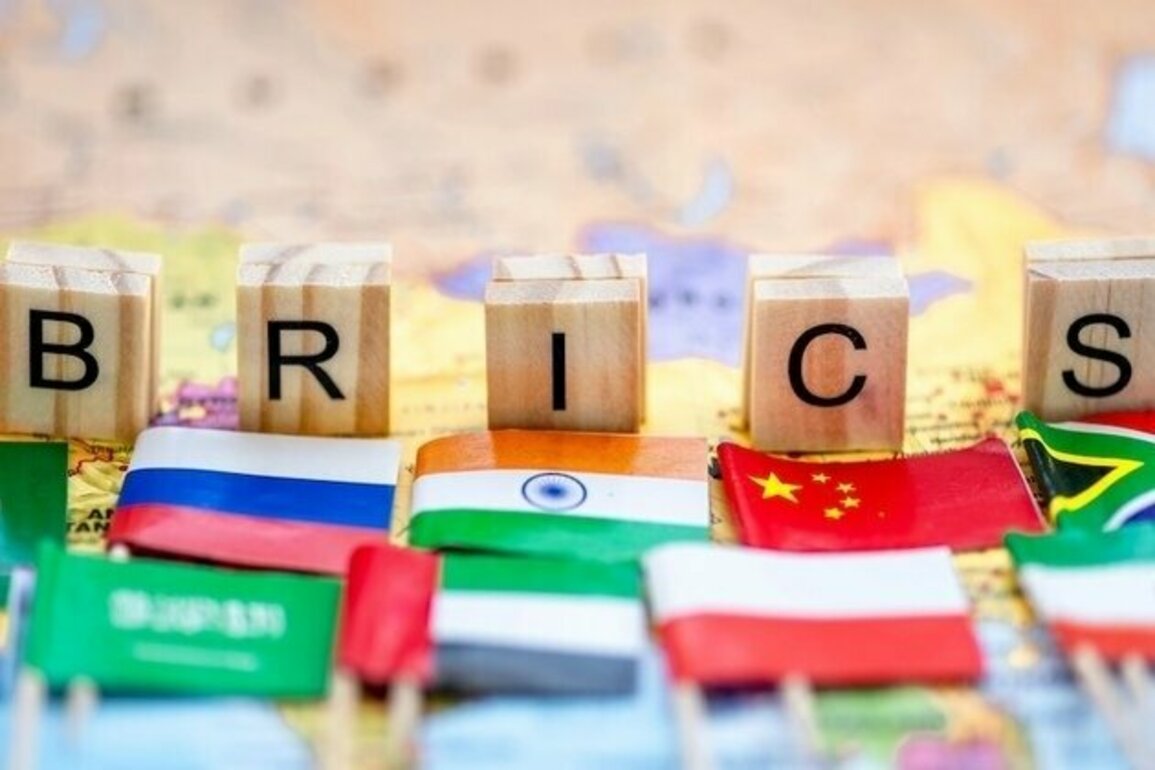
viewsMingPhoto/DepositphotosOn July 67, the BRICS held their seventeenth summit in Rio de Janeiro, Brazil. Created in 2009 the BRICS underwent anexpansion processin 2023 with five new members joining the bloc. In 2024, Indonesia also joined, participating this year for the first time as a full member. As usual, the leaders meeting concluded with a final declaration that includes a significant political component and a description of the cooperation advancements. Routinely employing vague language in its international political section, this years declaration is not an exception. However, it can offer some meaningful insights into the current situation and the future of the BRICS.
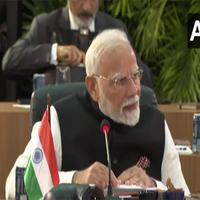
The most significant conclusion that can be drawn from this years summit is that disagreements have increased within the group. The geopolitical tensions among its members are not a new phenomenon.The dispute between China and India over their Himalayan border, as well as the heterogeneity in terms of political systems, recurrently appear as key points of contention. The differences in positioning regarding the West are another fundamental challenge faced by the group. Maintaining a non-aligned discourse, Brazil, India, and South Africa have consistently refused to adopt an apparent schism with their European and North American partners. Although these differences hinder coordination in a few instances, the BRICS has managed to deepen its cooperation in the last seventeen years. However, new challenges have emerged from the groups expansion, and this years summit demonstrates that.
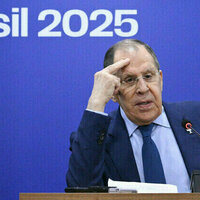
The BRICS has always worked through consensus. For decades, the discourses proffered by its members after the summits attempted to emphasize an alleged unity within the group. This year, however, Iran has openly declared its discontentment with the declarations defense of the two-state solution in Palestine and Israel. The Iranian Minister of Foreign Affairs, Abbas Araghchi, has affirmed that the two-state solution isunrealistic. As Iran refuses to recognize the Israeli state, the declarations statement clashes with the Iranian official discourse. A public criticism made by a member of the group on the final declaration is a novelty in the BRICS.
Another apparent alteration in the groups dynamics stems from the defense of Brazils and Indias aspirations to a permanent seat in the Security Council. Not mentioned in the 2024 Kazan Declaration, the Brazilian delegation successfully included it in the leaders final statement. However, previous BRICS declarations did not exclude South Africas aspirations. This time, the manuscript affirms:China and Russia, as permanent members of the United Nations Security Council, reiterate their support to the aspirations of Brazil and India to play a greater rolein the United Nations, including its Security Council.Before this statement, the document asserts its support for the Ezulwini Consensus, which states that African countries should define among themselves who would represent the continent in a potential expansion of the Security Council. With Egypt and Ethiopia as full members of BRICS, South Africa faces a new dispute within the group regarding its aspirations for a Permanent Seat.
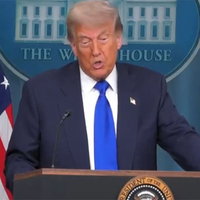
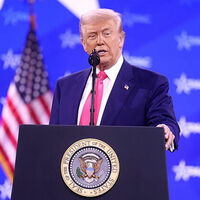
Another significant indication that emerges from the summit is that, despite criticizing the attacks on Iran and unilateral tariffs, the BRICS did not mention the US in the document. Such an absence suggests that the non-aligned states within the group, including Brazil, India, UAE, South Africa, and Indonesia, might have worked to prevent a mention that could hamper their relations with the US. Considering Trumps initial reaction to the groups summit, in which he called the BRICS policiesanti-American, a more assertive declaration could have created a paramount diplomatic tension.
Meanwhile, India successfully included a condemnation of the attacks suffered by the country in Kashmir and Jammu. However, there is no mention of Pakistan or Pakistani groups. Despite Chinas political proximity with Pakistan, India managed to include the label of terrorist to Pakistani groups in past summits. The absence of such mentions this year suggests that Pakistans allies in the group, primarily China and Iran, have opposed a more incisive declaration. Finally, regarding the War in Ukraine, Russia achieved a meaningful condemnation of the Ukrainian attacks on Russian infrastructure. The declaration even highlights that such attacks killed civilians and children. Similar to the previous summits, the final declaration reaffirms support for peace talks on this matter.
Considering these events and the language used in the BRICS final declaration, it seems clear that the BRICS is less unified than ever. For instance, the presence of Iran undermines Indias aim to isolate Pakistan. Different geopolitical interests may hinder more straightforward assertions in the group. Although heterogeneity has existed since the groups inception, this years summit indicates that the expansion represents a new challenge to achieving consensus. Its cooperation side, however, seems to have the potential to deepen. The BRICS New Development Bank is achieving meaningful results and in AI governance, as well as the combat against socially determined diseases and the financing of environmental protection, the group established significant and robust platforms for cooperation. However, the cooperative side of the group receives less attention from the media and the political and declaratory aspects of the BRICS are the most mediatized parts of the bloc. In this regard, the BRICS faces a significant challenge from rising international tensions and only time will tell whether a heterogeneous group can overcome such difficulties.
Further Reading on E-International Relations
- Opinion Challenges for the Expansion of the BRICS
- Opinion The Status of the BRICS, 20 Years Later
- India-China Rivalry and its Long Shadow Over the BRICS
- The Role of BRICS in Indias Foreign Policy
- Beyond Geopolitics: Re-Examining Russias BRICS Relationship
- Adding T to BRICS: A NATO Ally in Transition
About The Author(s)
Luis Gouveia Jr(he/him) is a PhD candidate in International Relations at the University of Coimbra / Centre for Social Studies, Portugal. His doctoral research, which analyzes the BRICS and its cooperation in international security, is financed by Fundao para a Cincia e Tecnologia. He completed an MSc in Latin American Studies at the University of Oxford (St Antonys College) and his work has been published in Alternatives, Frontiers in Political Science, and Janus.
TagsBRICs