

With the U.S.pulling back and China fumbling, the EU and India are stepping up as new leaders in a post-tariffworld order, writesCraig Hill.
IN AN ERA INCREASINGLY definedby geopolitical realignment and economic protectionism, theEuropean Union (EU) andIndia are emerging as the most credible successors to global leadership, a shift accelerated by the resurgence oftariffs under a second Trump presidency.
With the United States turning inward and China facing internal and external headwinds, theEUandIndiaare demonstrating the political maturity, economic resilience, and institutional frameworks necessary to fill the growing vacuum in global leadership.
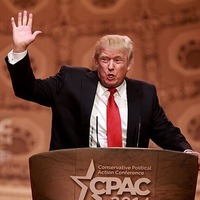
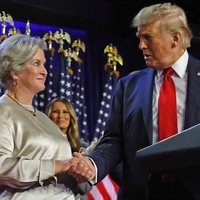
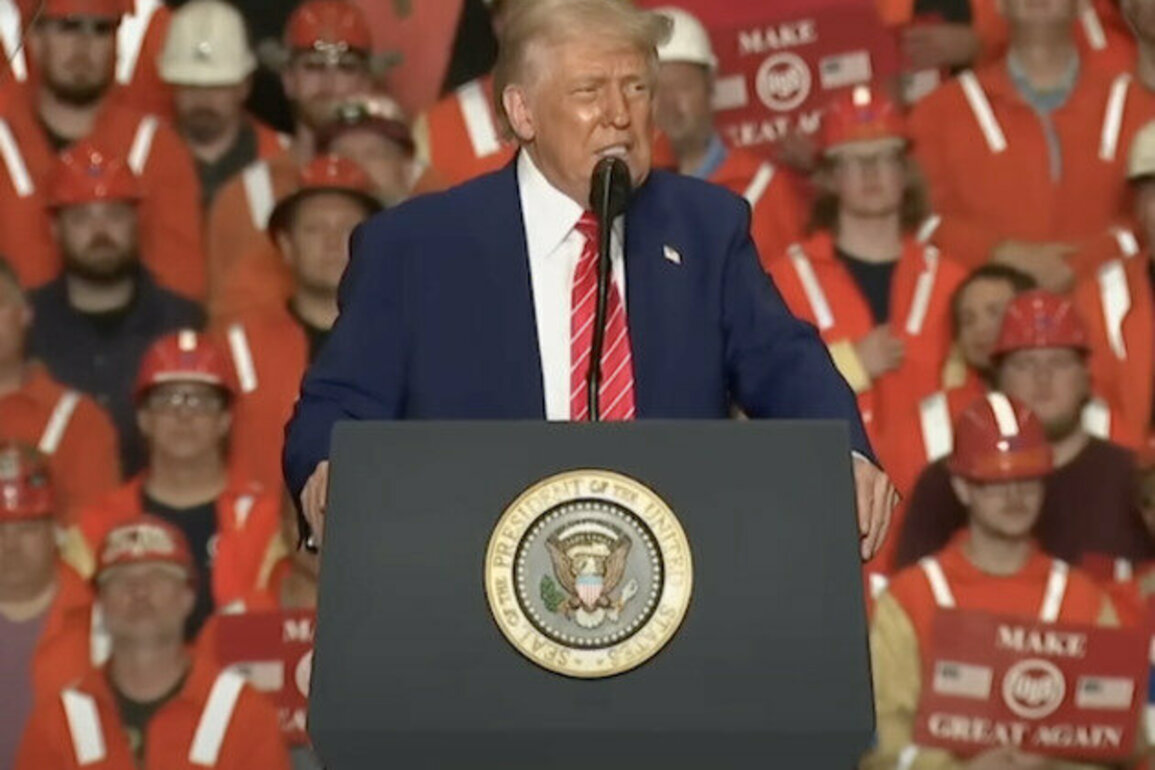
The return of U.S. PresidentDonald Trumpto the political stage has brought with it renewed threats of aggressive tariff regimes, a hallmark of his first term.
HisAmerica-firstapproachdisrupts multilateral trade, weakens traditional alliances, and undermines the rules-based international order that the U.S. helped construct.
In this void, theEUandIndiafind both opportunity and responsibility.
The other side of tariffs America losing customers who won't returnThe biggest casualty in Trump's tariff trade war is the American economy and the nation's consumers.
Trumpstariffs, particularly those targeting key economic sectors and partners,have ripple effects. Supply chains shift, investment flows are rerouted and geopolitical alliances recalibrate.
For allies like theEUand democratic partners likeIndia, the shift offers a chance to solidify influence while promoting a more stable, rules-based order.
TheEuropean Union stands out for its deep institutional integration and long-standing commitment to democratic governance, human rights, and multilateral cooperation.
Economically, theEUremains one of the largest single markets in the world. Its regulatory power, often referred to as the "Brussels effect", allows it to set global standards in areas from digital privacy to environmental sustainability.
Moreover, theEUs ability tonavigatecrises, fromBrexittoCOVID-19, has strengthened its internal coherence and external appeal.
It isincreasingly seen as a balancingforcebetween the U.S. and China, capable of shaping the global agenda in technology, climate policy, and financial governance.
Indiasrise, by contrast, is powered by demographics, digital innovation, and a growing appetite for global leadership.
As the worlds most populous nation,Indiais now the fifth-largest economy and projected to rise further.
Crucially,Indiaaligns well with the current world order: it is a democracy, it supports the rules-based international system, and it increasingly engages in multilateral forums such as theG20,Quad, and World Trade Organisation (WTO).
Indias domestic reforms. such as infrastructure investment, financial digitisation, and manufacturing incentives, are preparing it for sustained growth.
Its large English-speaking population and tech-savvy workforce position it as a vital hub for services and innovation in the 21st-century economy.
China, while still an economic heavyweight,faces a complex set ofchallenges. Its real estate crisis, ageing population, and increasing global scepticism about its strategic ambitions have dampened the momentum that once seemed unstoppable.
The centralisation of political power under Chinese PresidentXi Jinpingand a turn toward authoritarian economic control have begun to alienate foreign investors and trade partners alike.
Trump's financial instability calls for Australia to act on CBDCsDonald Trump's chaotic monetary policies have opened an opportunity for Australia to reclaim financial sovereignty in a new era of digital currency.
Chinas Belt and Road Initiative, once touted as a blueprint for global influence, has encountered financial and diplomatic pushback. In this environment, its claim to future superpower status appears less assured, especially if global economic integration continues to favour transparent, democratic systems.
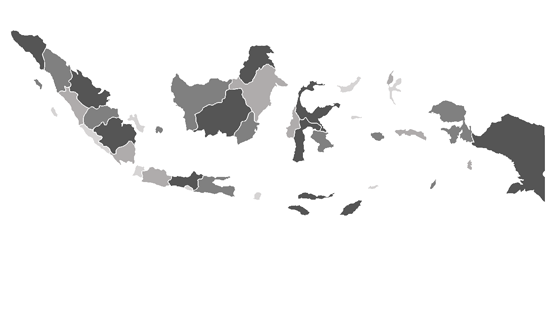
Indonesia, Southeast Asias largest economy and a rising middle power,is another criticalplayer.
With a young population, rich natural resources, and a strategic location, Indonesia has the potential to play a larger global role.
However, structural issues such as bureaucratic inefficiency, political fragmentation, and economic inequality remain hurdles.
Nevertheless, Indonesia could emerge as a regional stabiliser and economic bridge between East and West, especially if it continues on its path of democratic consolidation and infrastructure development.
As Trump-eratariffsstrain old alliances and global institutions, theEUandIndiastand out as natural successors to liberal international leadership.
Both are democratic, market-oriented, and institutionally compatible with the post-WWII order. Their rise does not represent a rupture, but rather a renewal of that systems foundational values.
Together, they may shape a future in which democratic powers, rather than autocratic rivals, set the tone for international cooperation, digital governance, and sustainable development.
The age of Americanprimacymay be waning, but the rise of theEUandIndiasuggests that the liberal world order could yet find new stewards.
Craig Hillis a Brisbane-based business owner, teacher, journalist and social justice campaigner. He is theLegalise Cannabis Partycandidate for the Federal seat of Bonner in Brisbane. You can read more about Craig's campaignhere.
Related Articles
- Tariff tensions see rise in regional resilience